Our conference programme features an inspiring line-up of expert speakers from across the bereavement sector and beyond. Bringing together practical experience, fresh perspectives and the latest thinking, each session is designed to inform, inspire and support professional development. Explore the full speaker line-up below.

I’m Orla O’Carroll, a Cemetery and Crematorium Technician at Barnsley Crematorium. Although I am relatively new to the bereavement industry, having begun my career in 2018 and the age of 36, I truly believe I have found where I am meant to be. One of the aspects I value most about my role is its variety. I’m fortunate to be involved in a wide range of responsibilities, meaning no two weeks are ever the same. What’s that saying…“Find a job you enjoy doing, and you will never have to work a day in your life” . Whilst it may sound like a corny cliché, it is absolutely true. I find working within bereavement services incredibly rewarding. I am deeply passionate about what I do and take great pride in supporting families during some of life’s most difficult moments, always striving to provide dignity, care, and compassion.
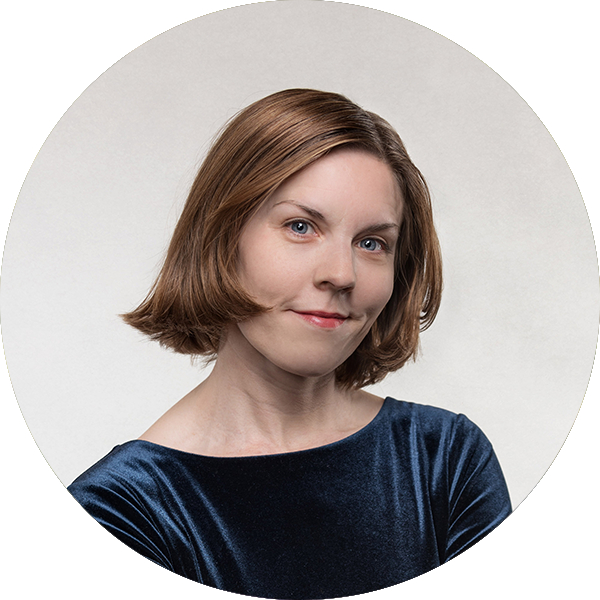
They lived alone. They kept themselves to themselves. No next of kin. Each Public Health Funeral case that arrives is a mystery to be solved. Even family referrals, believe it or not. But how do cash and time strapped councils ensure that all avenues are properly investigated in this very sensitive task? That we don’t cause trauma by carrying out a funeral in absence of kin? That we are handing back an estate to the most entitled person? In a world where everything is hidden in pin locked phones, where 1 in 3 people have not done anything in preparation for their death and over half don’t have a will, admin wise, a house search can end up telling anywhere between half the story and nothing at all. We are dependent upon phone numbers on scraps of paper and a neighbour saying that they may have possibly had a son. Doing this job can feel like being in a dark room with a broken flashlight. So how do we turn the lights on? Christina Martin has been doing this job since 2017 and over time has learned through bitter experience that without the help of a professional tracing service, one can never be sure of anything. In this talk, she shares her steep learning curve along with other policy approaches that ensure the best possible all round job is being done for the deceased and the bereaved.
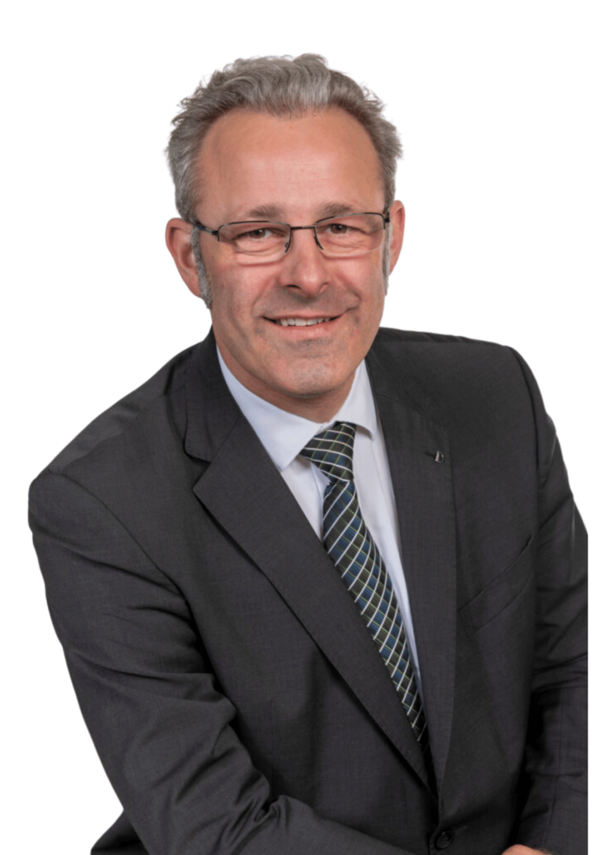
An introduction to The Fifth Season Funeral Home and Resomatorium, exploring why alkaline hydrolysis was chosen as an alternative form of disposition and how the process works. The presentation will consider the challenges of introducing alkaline hydrolysis, what motivates families to choose it, and the lessons learned along the way. It will conclude by exploring the future of alkaline hydrolysis and its potential place within a changing funeral sector.
.jpg)
The journey began in 2019 with the publication of a conservation plan. From this, the Trust developed Unlocking Highgate Cemetery, a 25-year conservation masterplan bringing together heritage conservation, landscape recovery, climate resilience, improved access and public engagement. Its first phase is a £19.5m programme supported by a £6.7m grant from The National Lottery Heritage Fund. Kate White and Leighann Heron will share the Trust’s journey from an ambitious long-term vision to a clearly defined and fundable first phase. They will explore how the project case was developed through research, consultation, design, planning and partnership working, and how the capital works, activity programme and organisational plans were brought together into one application. The presentation will provide a brief overview of the Trust’s funding journey, including some of the main decisions and challenges along the way, which may be useful to other cemetery organisations considering a Heritage Fund application.
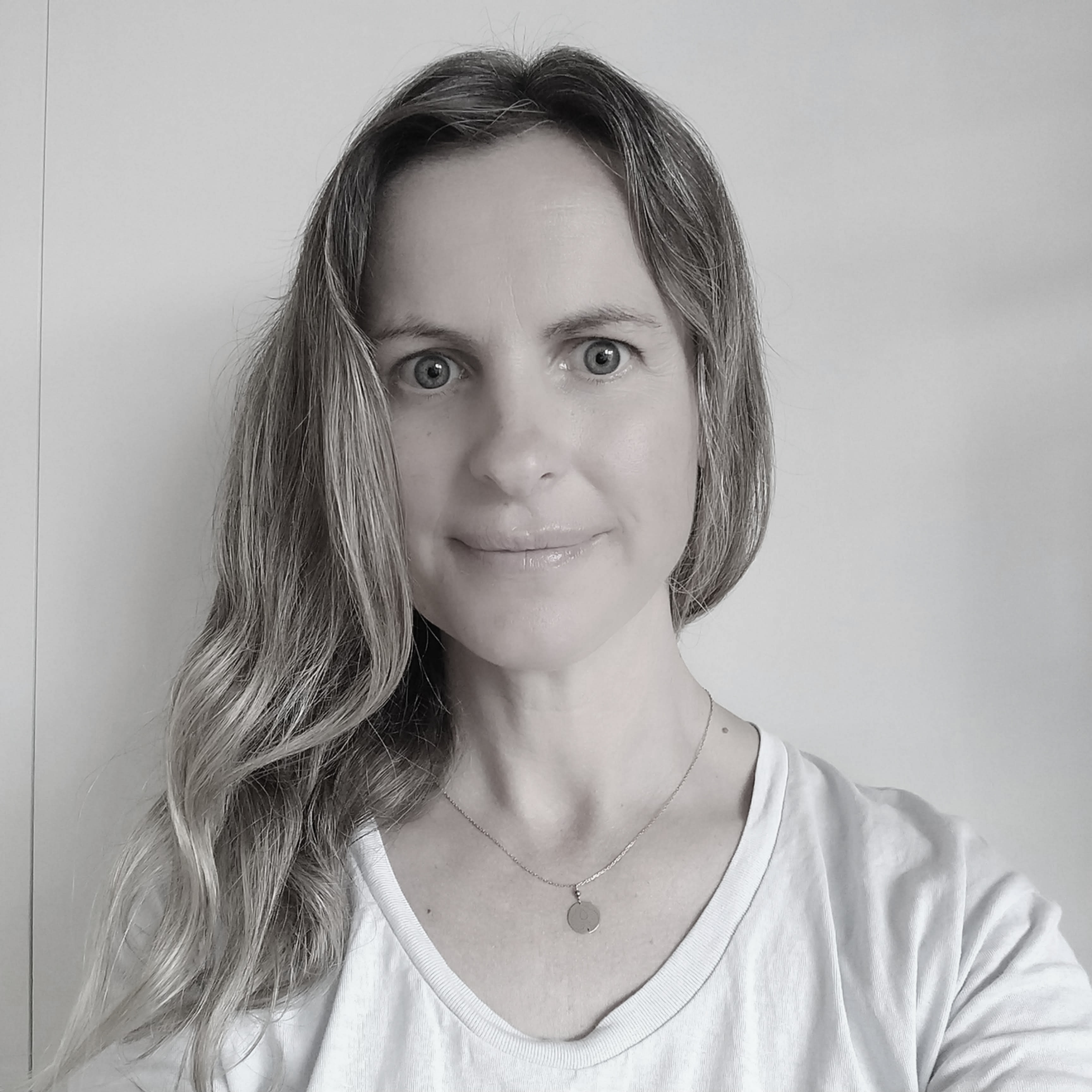
The journey began in 2019 with the publication of a conservation plan. From this, the Trust developed Unlocking Highgate Cemetery, a 25-year conservation masterplan bringing together heritage conservation, landscape recovery, climate resilience, improved access and public engagement. Its first phase is a £19.5m programme supported by a £6.7m grant from The National Lottery Heritage Fund. Kate White and Leighann Heron will share the Trust’s journey from an ambitious long-term vision to a clearly defined and fundable first phase. They will explore how the project case was developed through research, consultation, design, planning and partnership working, and how the capital works, activity programme and organisational plans were brought together into one application. The presentation will provide a brief overview of the Trust’s funding journey, including some of the main decisions and challenges along the way, which may be useful to other cemetery organisations considering a Heritage Fund application.
During COVID Authorities were challenged to create additional storage facilities to care for the anticipated deceased. This is how the three sister Authorities of North , East and South Ayrshire created a professional bespoke facility in 12 weeks. A facility that has been recognised by our Regional Resilience Team as having the potential to act as Scotland’s national facility in the event of a Mass Fatality
During COVID Authorities were challenged to create additional storage facilities to care for the anticipated deceased. This is how the three sister Authorities of North , East and South Ayrshire created a professional bespoke facility in 12 weeks. A facility that has been recognised by our Regional Resilience Team as having the potential to act as Scotland’s national facility in the event of a Mass Fatality

Memorial products such as headstones and monuments are intended to honour lives and preserve memoxaries for generations. Yet behind these symbols of remembrance lies a complex global supply chain that can carry significant environmental, and human consequences. From quarrying and manufacturing practices to transportation and labour conditions, the production of imported memorials raises important questions about sustainability and responsibility. This talk will explore the hidden ‘costs’ associated with imported memorial products and examine whether developed nations should impose stricter environmental requirements, or even ban imports that fail to meet acceptable standards. Rather than focusing solely on regulation, this discussion will consider the role that transparency, and sector leadership can play in driving socially responsible change.
Memorial products such as headstones and monuments are intended to honour lives and preserve memoxaries for generations. Yet behind these symbols of remembrance lies a complex global supply chain that can carry significant environmental, and human consequences. From quarrying and manufacturing practices to transportation and labour conditions, the production of imported memorials raises important questions about sustainability and responsibility. This talk will explore the hidden ‘costs’ associated with imported memorial products and examine whether developed nations should impose stricter environmental requirements, or even ban imports that fail to meet acceptable standards. Rather than focusing solely on regulation, this discussion will consider the role that transparency, and sector leadership can play in driving socially responsible change.
What does a year in the life of an ICCM officer really look like? Two new members of the ICCM team reflect on their first year, sharing the experiences and challenges that have shaped their understanding of the sector and the Institute. From networking with members and responding to the varied questions received, to exploring different roles and responsibilities across cemeteries and crematoria. They will share insights from delivering training, exploring topics including alkaline hydrolysis and Scotland specific opportunities, including how member feedback directly influences ICCM support and services.

What does a year in the life of an ICCM officer really look like? Two new members of the ICCM team reflect on their first year, sharing the experiences and challenges that have shaped their understanding of the sector and the Institute. From networking with members and responding to the varied questions received, to exploring different roles and responsibilities across cemeteries and crematoria. They will share insights from delivering training, exploring topics including alkaline hydrolysis and Scotland specific opportunities, including how member feedback directly influences ICCM support and services.

From September 2026, bereavement education will form part of the statutory curriculum in England, representing one of the most significant developments in public understanding of grief and loss in a generation. Following a four and a half-year national campaign, which culminated in a Parliamentary debate and the inclusion of bereavement education within the curriculum, this presentation explores what the change means for funeral professionals, bereavement organisations, schools, families and wider communities. Drawing upon personal experience as a Funeral Director, Past President of the National Association of Funeral Directors, Funeral Industry Advisor to Child Bereavement UK, and host of the internationally recognised Death: A Changing Industry podcast, John Adams will share the journey behind the campaign, lessons learned from work undertaken across the UK, Australia and New Zealand, and practical steps organisations can take to support the next generation. Attendees will gain a greater understanding of the curriculum changes, the opportunities they create, and how funeral professionals can play a leading role in building a more compassionate society where grief is understood rather than avoided.
%20(1).jpg)
Pushing Up Daisies - Rewilding Resting Places delivered by Thomas Guilbert-Newell from Newcastle-under-Lyme Borough Councils Sustainable Environment Services will cover all aspects of the Council's successful delivery of their Grassland Management Strategy since 2024. The strategy has delivered 100s of hectares of long meadows, wildflowers and rewilding in green and open spaces, most importantly in places rest including owned cemeteries and crematoria and managed churchyards. Alongside key stakeholders like Keele University the Council have been able to deliver rewilding in this fashion to positively benefit local residents, local resources and the local natural environment. All these topics will be covered in this presentation with an additional detailed look into one of the Council's most biodiverse rich sites, Keele Cemetery.
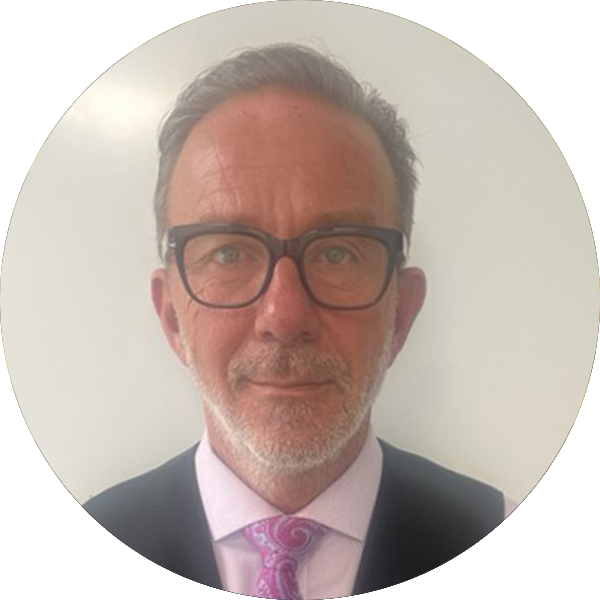
At its heart, ‘Your Cremation, Your Wishes, Your Way’ is about giving families clarity, reassurance, and choice without unnecessary complexity. We could see that people were trying to balance cost, dignity and peace of mind and were often feeling they had to compromise on one to achieve another. As a local authority service, we felt we were in a unique position to respond. When we look back at how ‘Your Cremation’ came into being, it started quite simply, with people asking us a question: “Why don’t you offer a complete funeral service yourselves?”
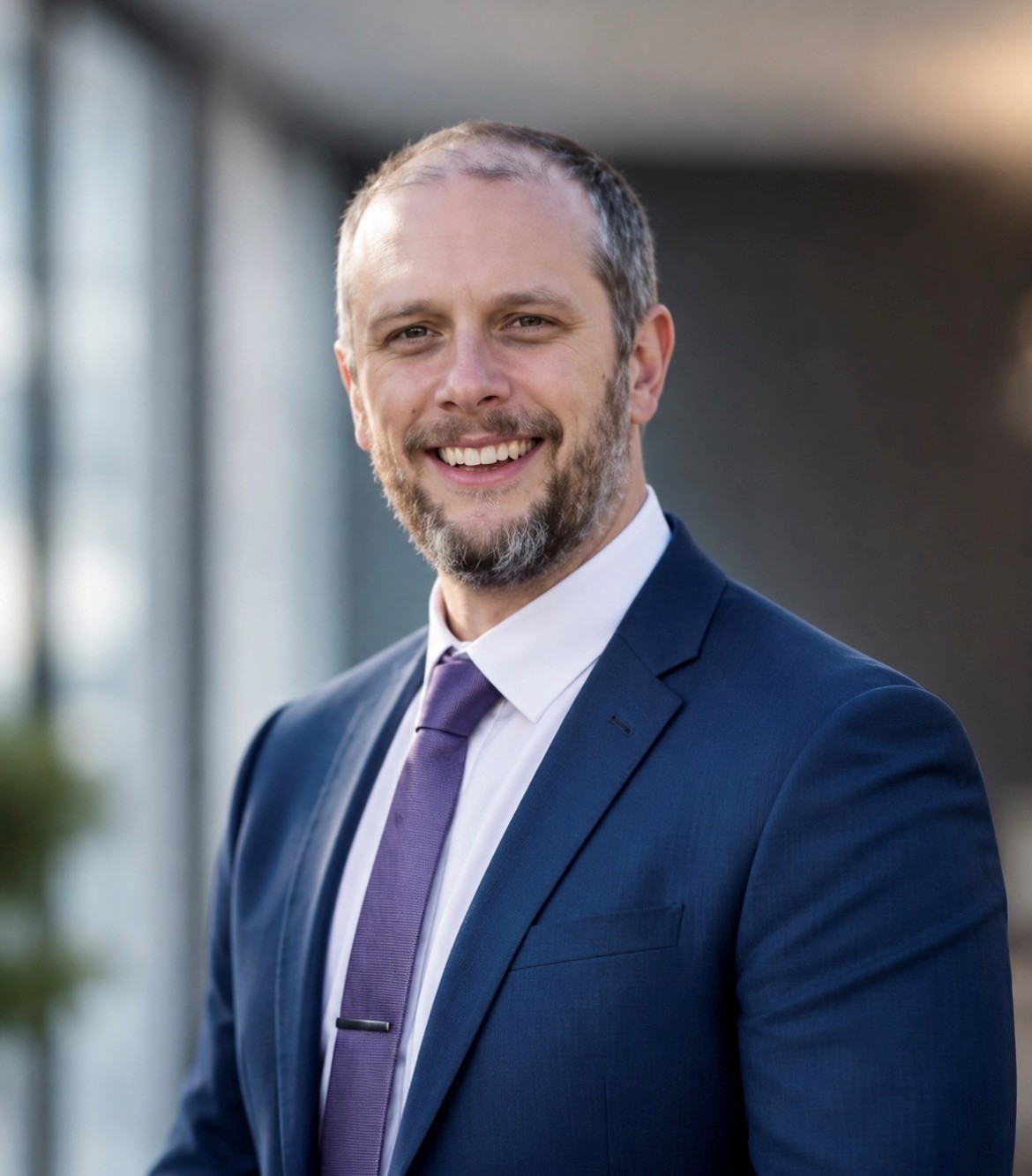
This presentation explores emerging concerns around occupational health risks within crematorium operations, including exposure to bone dust, airborne contaminants, noise, and other workplace hazards. Drawing on collaborative work between local authorities, it highlights a significant gap in available industry evidence and outlines a proposed research project aimed at improving understanding, informing best practice, and strengthening worker protection across the cremation sector.

This talk will look back at the context for the implementation in England and Wales of the statutory medical examiner system in September 2024, the impact of introduction and future steps.
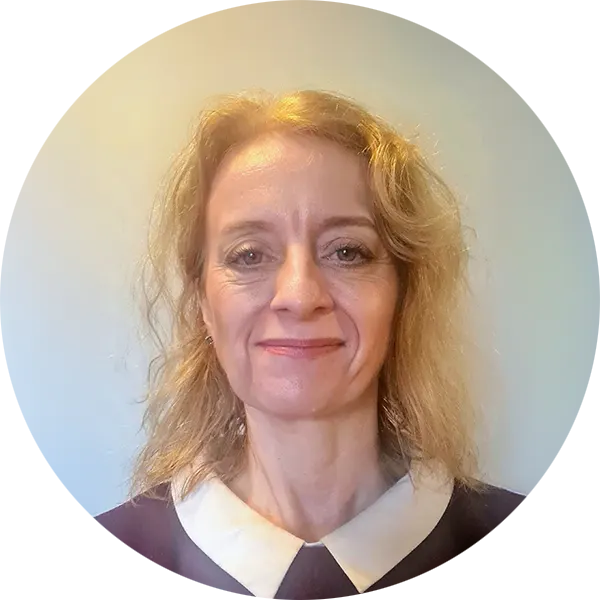
The Law Commission of England and Wales has begun the last part of its overall Burial, Cremation and New Funerary Methods project. Prof Webley will review the current law governing who is entitled to make decisions about dead bodies, and set out the Commission's early thinking on reform, including the important questions of whether a person should be able to make binding decisions about their own funeral; how to resolve disputes between family members; and whether the law on public health funerals requires reform.

Martyn’s Law focuses on the protection of the public within premises and affects a vast array of UK buildings, crematoria and cemeteries included. Gaining Royal Assent in April 2025, a period of 24 months was granted for compliance of public places with the requirements of the Act. This period expires in May 2027, where compliance with the law is expected. Following a successful ICCM webinar in May 2026, this session expands on this detail allowing attendees to find out what this means for your Crematorium and Cemetery spaces and what steps you need to take towards compliance.
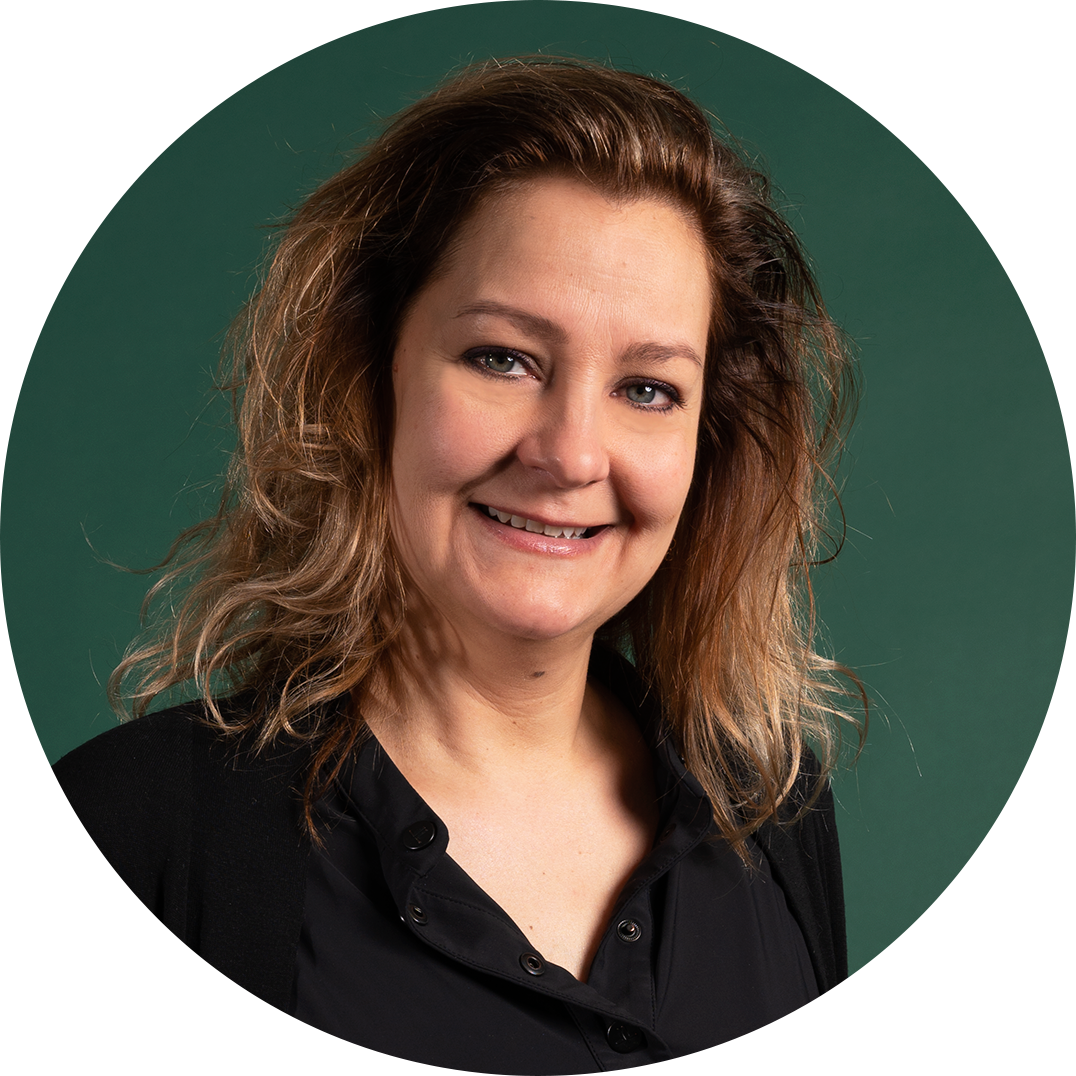
This interactive Speed Learning session explores the questions every crematorium should be asking when evaluating a metal recycling programme. How much valuable material is actually being recovered? What does a transparent recycling process look like? How can providers be compared fairly when recovery rates, transparency and sustainability all influence the final outcome? And is local processing always the most sustainable option? Through practical examples and open discussion, we'll examine how value recovery, transparency and sustainability work together to determine the true value of a recycling programme. Participants will leave with practical questions and evaluation criteria that can be applied when assessing any metal recycling provider.
This interactive Speed Learning session explores the questions every crematorium should be asking when evaluating a metal recycling programme. How much valuable material is actually being recovered? What does a transparent recycling process look like? How can providers be compared fairly when recovery rates, transparency and sustainability all influence the final outcome? And is local processing always the most sustainable option? Through practical examples and open discussion, we'll examine how value recovery, transparency and sustainability work together to determine the true value of a recycling programme. Participants will leave with practical questions and evaluation criteria that can be applied when assessing any metal recycling provider.