We are the longest established membership organisation serving the bereavement care sector in the United Kingdom. We champion the needs of bereaved people by influencing legislation, encouraging dialogue and empowering bereavement professionals to achieve great things.
Our team is small and our commitment is huge, standing on our history rather than resting on it, we continually seek to help our members succeed with training and guidance in best practice.
For general, and technical enquiries please email us using this form
We are open from 9am to 4.30pm Monday to Friday.
If your query is urgent, you can call us on 07947 859 120
Press and media enquiries only should be directed to:
Maria Bailey
T: 07932 644771
E: maria.bailey@iccm-uk.com
Our postal address is: ICCM National Office
City of London Cemetery
Aldersbrook Road
Manor Park
London
E12 5DQ
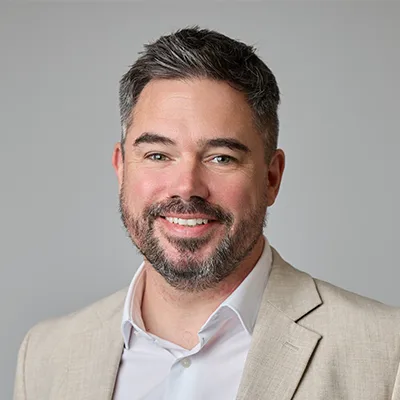
With hands-on experience across all levels of bereavement services, spanning both public and private sectors, I’m driven by a deep passion to champion services that not only meet the needs of bereaved individuals, but also exceed their expectations. My work across diverse regions of the UK has given me a powerful insight into how uniquely local, personal, and intricate bereavement support can be. This understanding has been instrumental in shaping strategies to help our sector grow and evolve.
I firmly believe that those who work in this field do so with a genuine calling, which is to support people at one of the most emotionally vulnerable moments in their lives. That belief fuels everything I, and we at the ICCM do. Leading the ICCM is an honour, and in our role as the sector’s leading provider of training, guidance, and policy, I’m focused on building a future where our members are empowered, inspired, and equipped to deliver the highest standards of care so that together, we can drive the sector and standards forward.

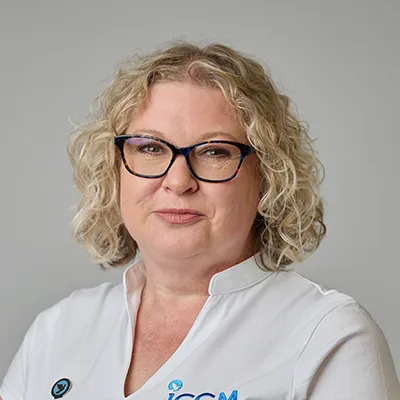
Jennifer’s background is in crematorium management, and she was fortunate to manage a beautiful site in Ayrshire where she was involved in the crematorium from its earliest days. She then saw it through its evolution to an award-winning facility, so she understands the practicalities of developing and growing a trusted and respected community asset. Her role in the ICCM is to assist members with any queries, particularly regarding Scottish law and to keep members up to date by sharing good news stories and best practice through The Journal.
When she’s not working, Jenni can be found reading, trying to stay awake in front of the television or singing in her local community choir.
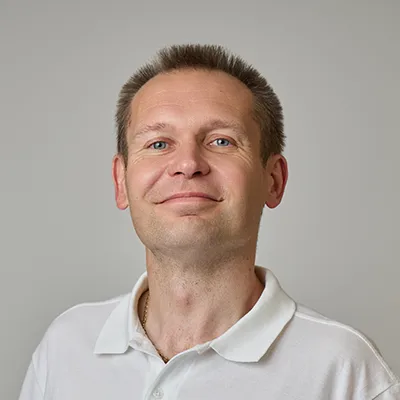
Trevor is the Finance and IT Manager for ICCM. This means he handles all membership renewals and information to make sure we are getting and keeping in touch with you for updates, courses and legislation. He is also responsible for all ICCM financial and management accounting, managing feedback on our courses to improve them and the administration of donations from the ICCM/OrthoMetals, national recycling of metals scheme.
When he's not at his desk, you’ll usually find him out at castles, gardens or looking around at cuddly animals at wildlife parks.
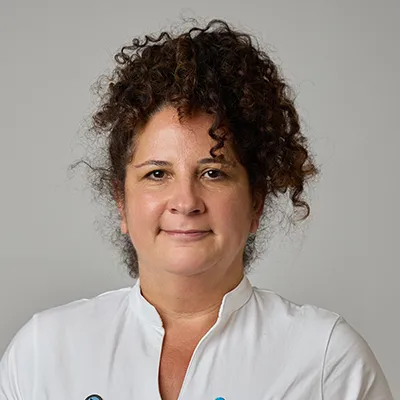
Sofia’s career in bereavement services started in 2002, covering all aspects of cemetery & crematorium Management. She joined the ICCM in 2019 and uses her vast experience to help members on cemetery and crematorium operational and legislative issues.
Outside of work, she’s passionate about travel and can be often be found planning her next holiday! Sofia also enjoys long seaside walks or happily binge-watching a good series!
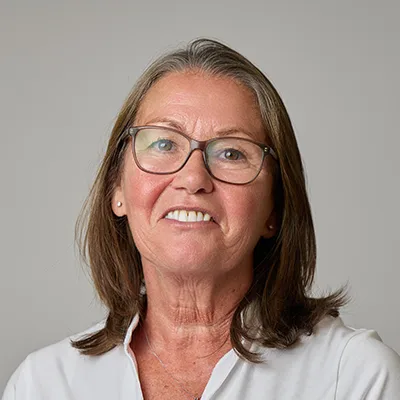
Having served with the ICCM for over two decades Julie’s role has gone through a number of changes. She continues to be the focal point for members, helping with their queries. She also manages the training and development schedule and administers the course certification process.
Evenings are often spent unwinding with a great film or catching up on the latest TV series. She appreciates a good storyline and is always open to recommendations.

Oliver's career in bereavement services started in 2013 where he carried out numerous roles in a private sector site in Lincolnshire, before eventually managing it. He's built up his knowledge through hands-on experience and understands how processes and operations function in real situations. His role in the ICCM is to work closely with the other Technical Services Officers, assist members with legislative and operational queries, help deliver training and work on projects. He enjoys meeting members and being able to share experiences!
When he's not working, he can be found walking his two dogs or planning a holiday.

Martin has over 24 years of experience with the Cemetery Operatives Training Scheme (COTS), working with both Berkshire College of Agriculture and the ICCM. He progressed from course technician to instructor and later became an NPTC/City & Guilds assessor. His extensive hands-on experience across diverse ground conditions and practices makes his knowledge exceptional, and he works alongside instructors who stay current with industry, supplier, and Health & Safety Executive guidance.

Maria's role is to ensure the ICCM has share of voice in broadcast and print media, representing the membership, reacting to relevant news, as well as looking after social media content. She has spent over 25 years in public relations, working both agency side and in house, running press offices in a variety of sectors, including bereavement support.
Outside of her work with the ICCM, Maria runs a social enterprise supporting people with grief and loss, and enjoys walking her dogs, taking care of her family and chickens, as well as writing and painting.
On 29th September 2003 at an AGM held at the Prince of Wales Hotel, Southport, the once familiar initials IBCA became ICCM.
This was the 5th name change for an organisation that began life back in 1913 as the United Kingdom Association of Cemetery Superintendents.
The first name change came in 1918 to that of the National Association of Cemetery Superintendents. The second, in 1932, reflecting the growing prevalence of cremation, to the National Association of Cemetery and Crematorium Superintendents. Then, in 1947 when, following amendments to the organisation’s rules and standing orders, the name Institute of Burial and Cremation Administration was thought to better describe the organisation’s purpose. Eleven years later, after many years of trying, the IBCA achieved the significant recognition of ‘Incorporation’ from the then Board of Trade and its fourth name change took place necessitating the addition of ‘Inc’. There have been many other ‘milestones’ along the way including, in 1927, the introduction of examinations for superintendents, the forerunner of today’s BTEC HNC accredited Institute diploma modules.
In 1932 the first annual ‘joint’ conference was held in conjunction with the organisation we know today as the Federation of British Cremation Authorities. The first edition of the members quarterly magazine, The Journal, was produced in 1935. Known affectionately today as ‘TJ’, it is now widely regarded as one of the finest trade publications in its field.
During the Second World War, when many organisations ceased to function, the association formed a War Emergency Committee which responded tirelessly to circulars from the Ministry of Health and the Ministry of Labour. A shortage of gravediggers was a serious problem, with young men being called to arms. As the Institute moved into the 1990s it was becoming apparent that the relatively strong financial position it had enjoyed during the latter half of the 60’s was beginning to erode.
In 1990 a Trust fund was established to encourage burial & cremation initiatives and to support members during their studies.
In 1993, The Institute underwrote the formation of the Confederation of Burial Authorities.
In 1995, The Institute commissioned research into the disposal of foetal remains resulting in a major guidance document and closer working with Health Trusts throughout the UK.
During 1996 the Charter for the Bereaved was launched, proving vital to the emergence of a new approach within the Institute. In the next year, 1997, the Cemetery Operatives Training Scheme launched.
In 1998 the Executive Committee was replaced by a Board of Directors elected by the members, and the first of the Diploma modules outsourced. During the Millennium year the Best Value Assessment Process was launched, providing clear links between the Charter for the Bereaved and the Best Value process.
In April 2001 the Institute appointed its first full-time officer, Tim Morris. This proved to be the catalyst for further rapid changes.
In 2002 the treasurer John Robson announced a surplus of £60,000 enabling the Institute to embark upon opening its first dedicated headquarters at the City of London Cemetery and Crematorium and the appointment of two further full-time officers covering training and development and administration. In 2003 our name was changed to the Institute of Cemetery and Crematorium Management. Our president at that time, Chris Johns said ‘This will be a great honour for us and I confidently predict that the ICCM can look forward to a highly successful future assisting its members through the provision of education and training programmes, the production of policy and best practice documents and advice designed to improve services to the bereaved’.
Following further expansion of activity, the Institute created an additional post of Technical Services Manager. In 2005 the membership of the Institute voted by a majority of five to one to create a corporate arm. At the same time the membership of the Confederation of Burial Authorities voted to dissolve and merge into ICCM Corporate. This was achieved and finalised at the 2005 AGM. This resulted in the formation of the Corporate and Professional committees both of which had equal representation on the board of Directors.
In 2010 members voted 92% in favour to change the Articles of Association which effectively disbanded the committees, with election to the board being first past the post. The lack of nominees to fill committee seats had resulted in no elections for a number of years, therefore the decision to slim down to face the challenges of the future was taken by the membership.
The Institute is now the only organisation within bereavement services to provide fully accredited and externally validated education and training opportunities for cemetery and crematorium staff at all levels.
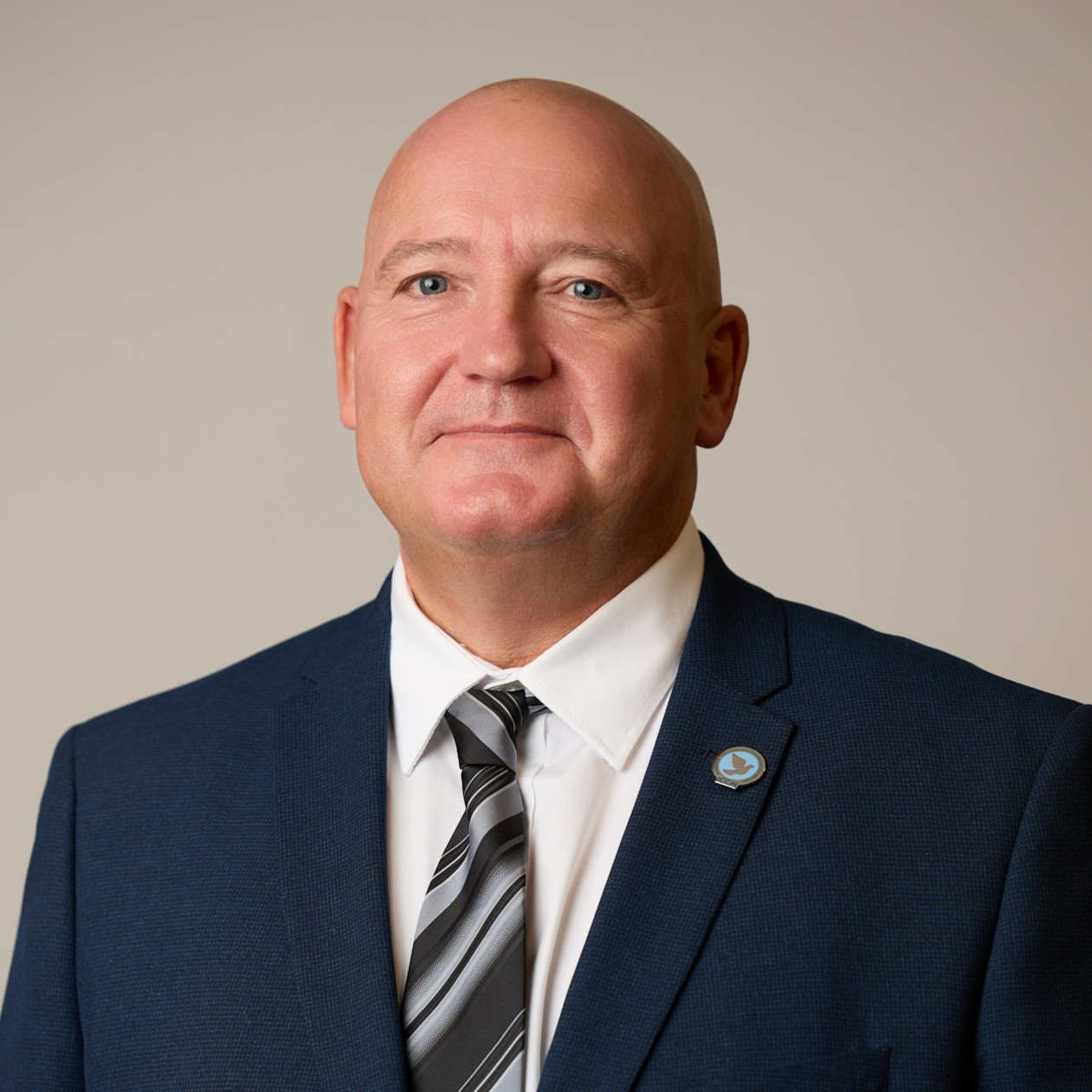
As President and Board Member of the ICCM, I represent the Institute at a wide range of important industry events. This creates valuable opportunities for networking, representation, and strengthening relationships across the bereavement sector with like-minded organisations. I also attend regional branch meetings, where I aim to meet as many ICCM members as possible, listen to their views, share ideas, and promote the core values of the ICCM.
Having retired from my main role as a Bereavement Service Manager 18 months ago, I am now focusing on my role with the ICCM. In my spare time I also enjoy travelling around the world with my wife and family, visiting many interesting places. Wherever my travels take me, I always seem to find my way to the local cemetery or crematorium for a look around the grounds.
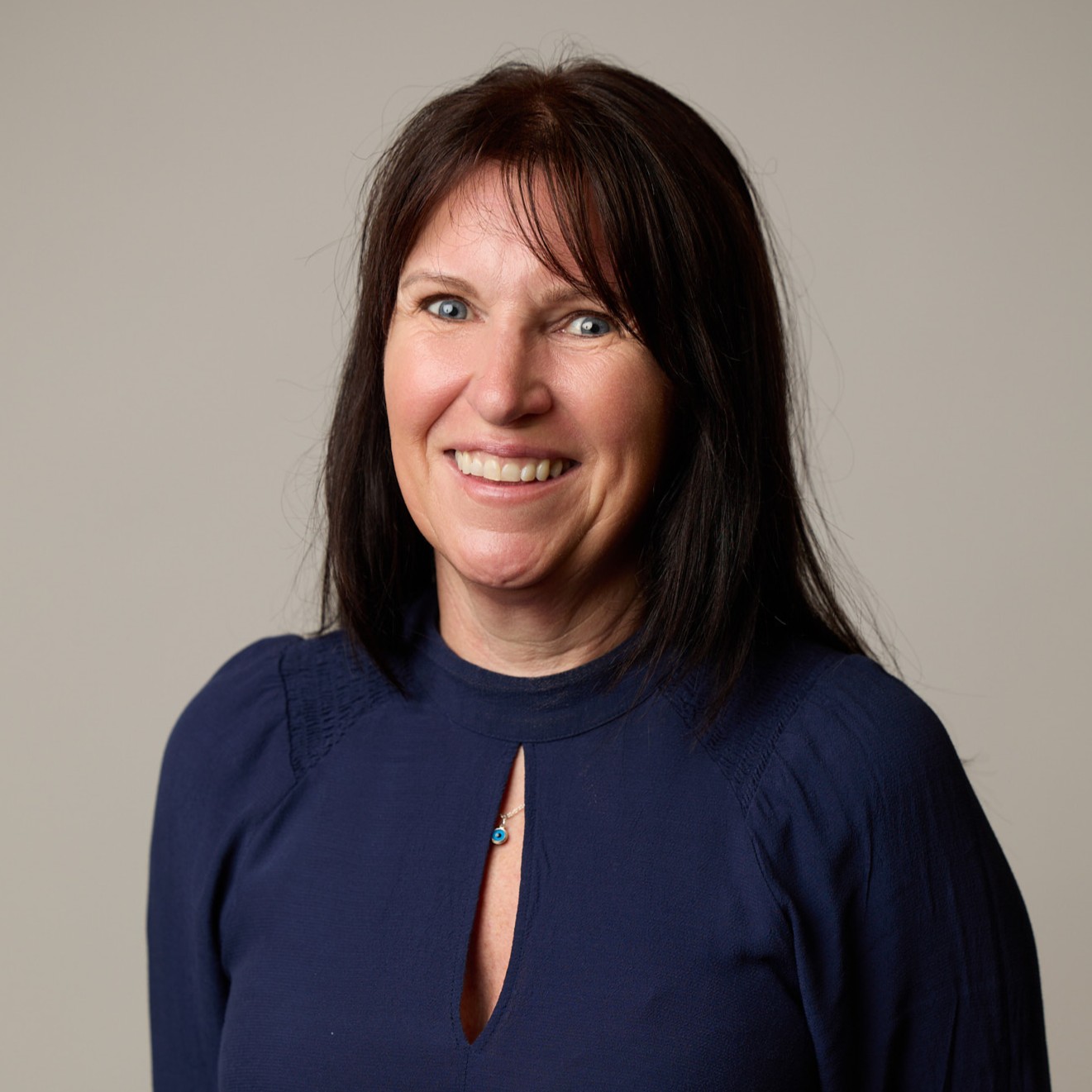
I am the Cemeteries and Crematorium Manager at Wirral Council. I joined the Council in 1992 as a Burial and Memorials Administrative Clerk while taking a year out before starting a law degree. After beginning my Diploma, I deferred my university place and ultimately chose not to pursue a legal career.
I discovered a passion for bereavement services and have since built a long-standing career in the sector. I am currently studying for a Master’s Degree in Strategic Leadership.
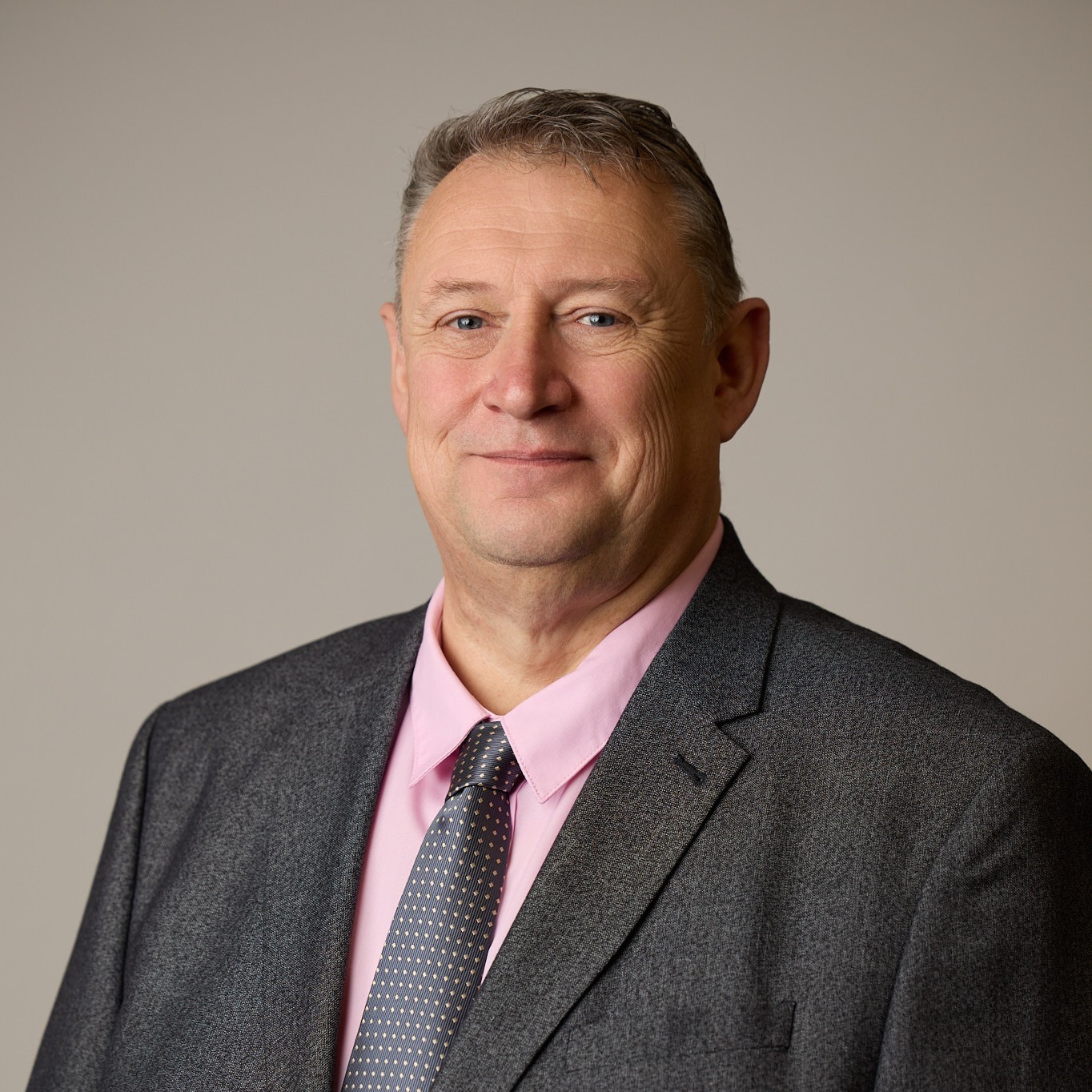
Martin has over 30 years experience in the industry, undertaking every role from grave digger and cremator technician to senior management roles and has worked at a number of authorities.
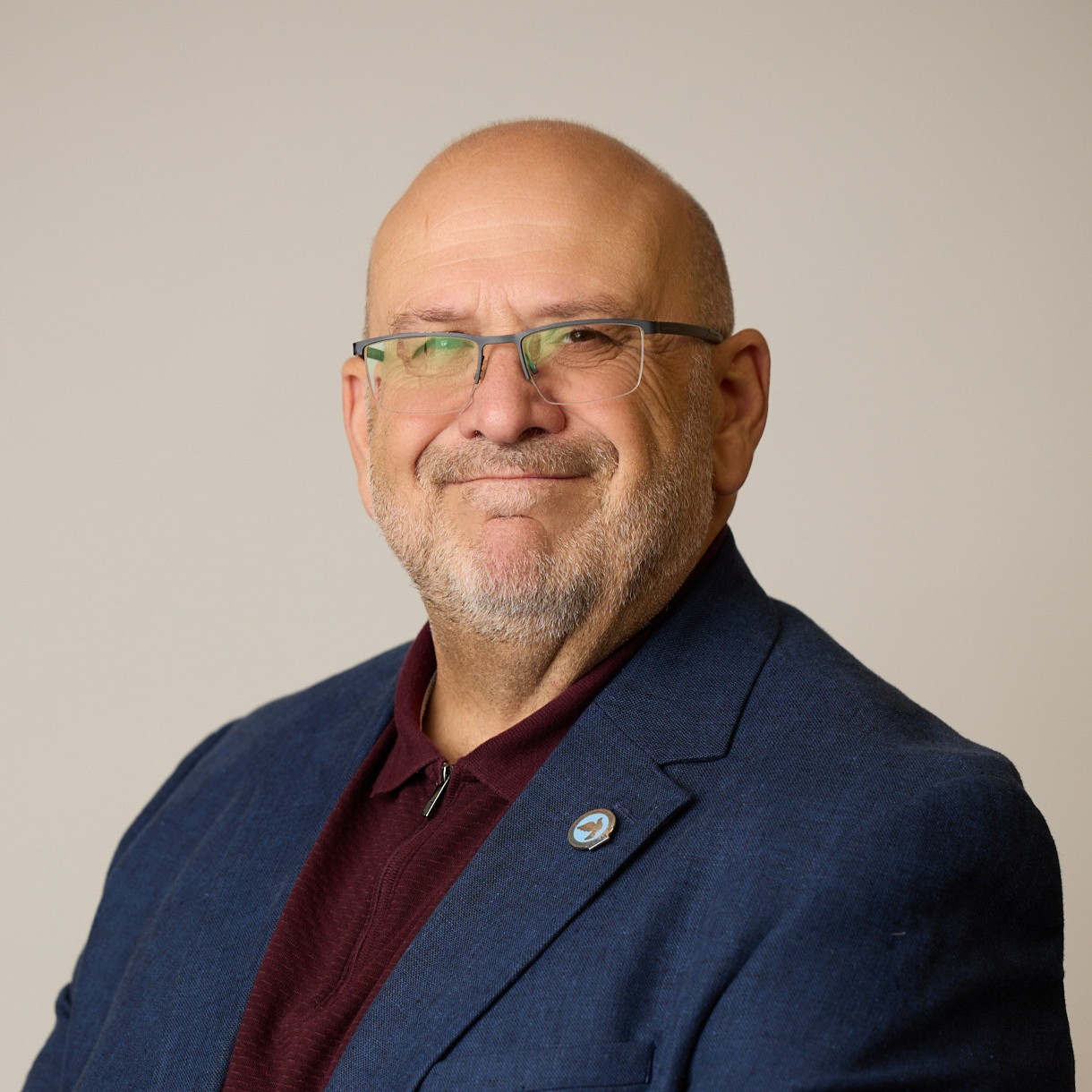
I am Head of Bereavement and Registration Services at the London Borough of Croydon, with responsibility for statutory (public health) funerals. I have worked in Bereavement Services since 2000, progressing through operational and management roles before my current appointment in 2015.
I have been an active member of the ICCM throughout my career, serving as President in 2016/17, being awarded a Fellowship in 2017, and most recently holding the role of Vice Chair on the Board of Directors. During this time, I have contributed to a range of initiatives, including funeral poverty, death certification, and the review of cremation regulations.
I value the opportunity to continue supporting the Institute, its members, and the bereaved, and to play a part in shaping the future of the sector.
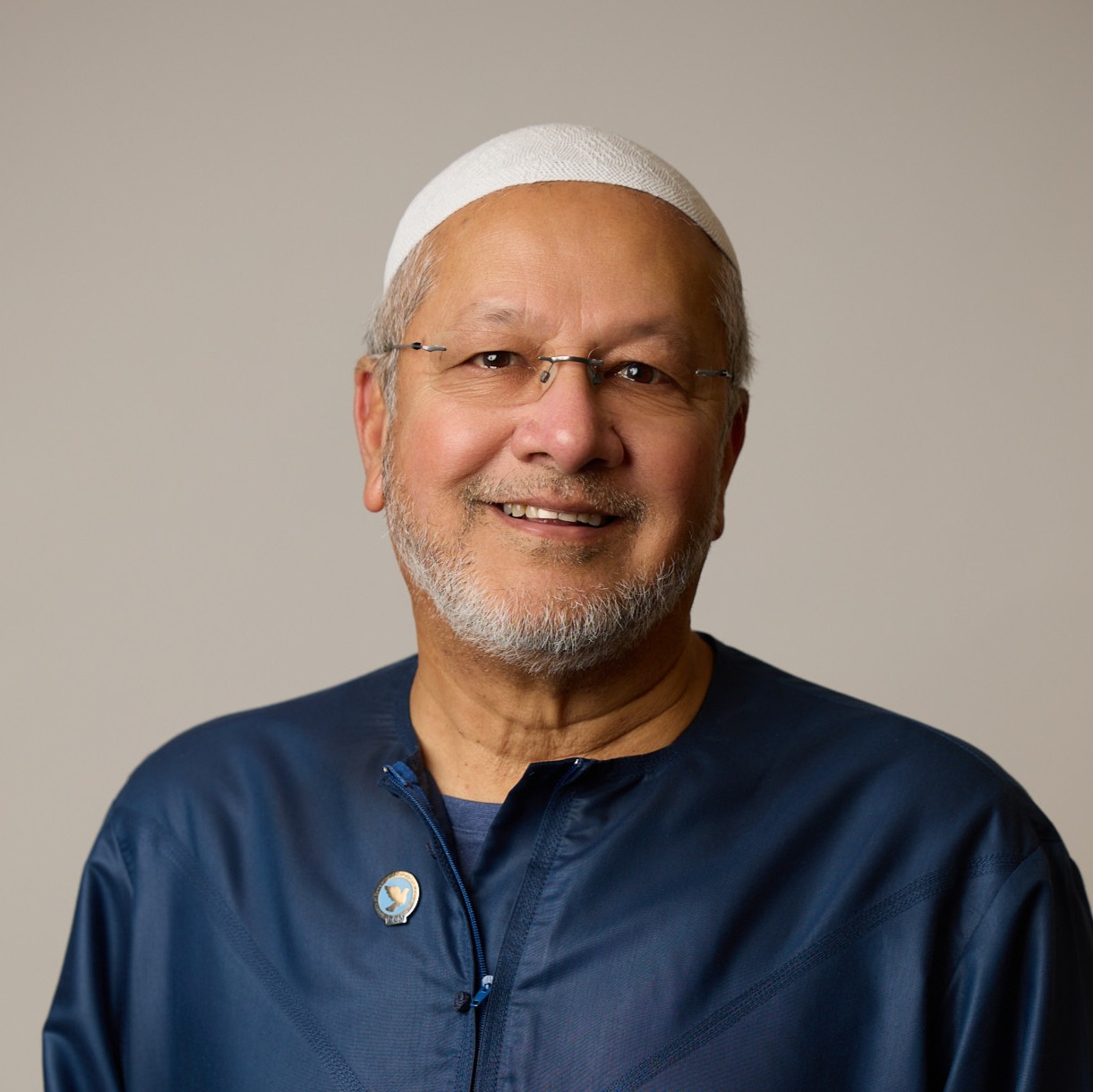
I am Chair of the National Burial Council, an umbrella body representing the Muslim community on matters relating to burials and deaths. I also serve as Board Member for External Affairs at Gardens of Peace Muslim Cemetery in Hainault, the largest dedicated Muslim cemetery in the United Kingdom, and as a Director of the Muslim Bereavement Support Service.
I represent the Muslim community as a member of the Ministry of Justice Burial and Cremation Advisory Group and am a Board Member of the Institute of Cemetery and Crematoria Managers (ICCM). In addition, I am a trustee of Big Issue Invest, supporting social enterprises that are unable to access traditional bank funding.
I have been actively involved in community work in East London for over 15 years and have served as a governor at Oaks Park High School in Ilford for 25 years, including four years as Chair. I am also Chair of the Redbridge Faith Forum.
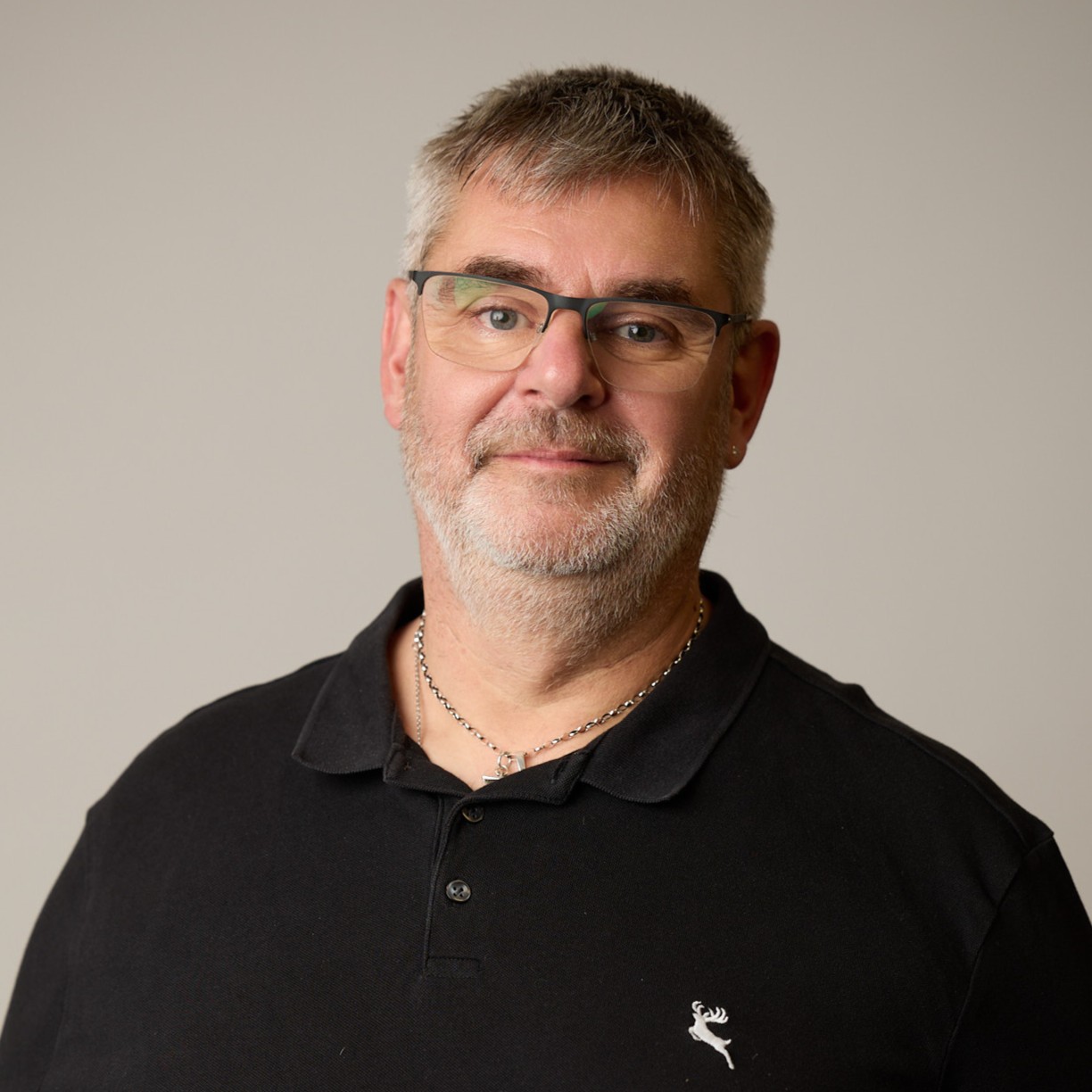
Dave is the Bereavement Services Manager at Trafford Council in Greater Manchester, with nearly 40 years’ experience in the bereavement sector. As well as holding his position as Director, Dave is Branch Secretary for the ICCM North West and North Wales Branch. His aim as a board member is to make the Institute more accessible, encourage engagement, and promote investment in education.
Outside work, he supports Altrincham FC, enjoys live music, and advocates for mental health support.
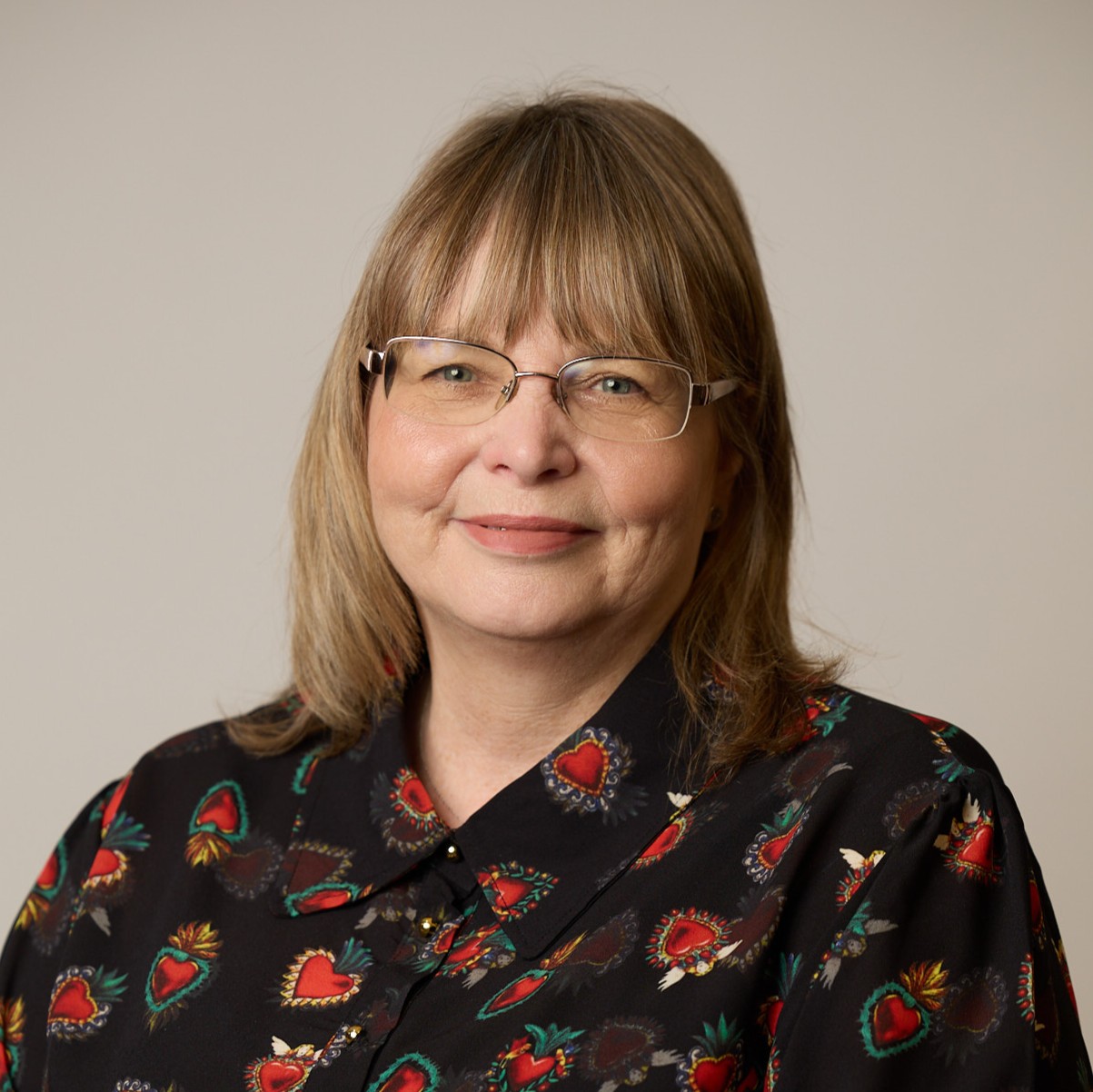
I am the Bereavement Services Manager at St Helens Council and have been an active member of the ICCM and the North West area for a number of years. I bring extensive experience and knowledge gained through roles across several local authorities.
I am passionate about community engagement within the sector and work closely with the Friends of St Helens Cemetery Group, as well as local veterans’ charities. I am extremely proud that my dedicated team and I were awarded Gold at the 2025 Cemetery of the Year Awards in the Large Burial Ground category.
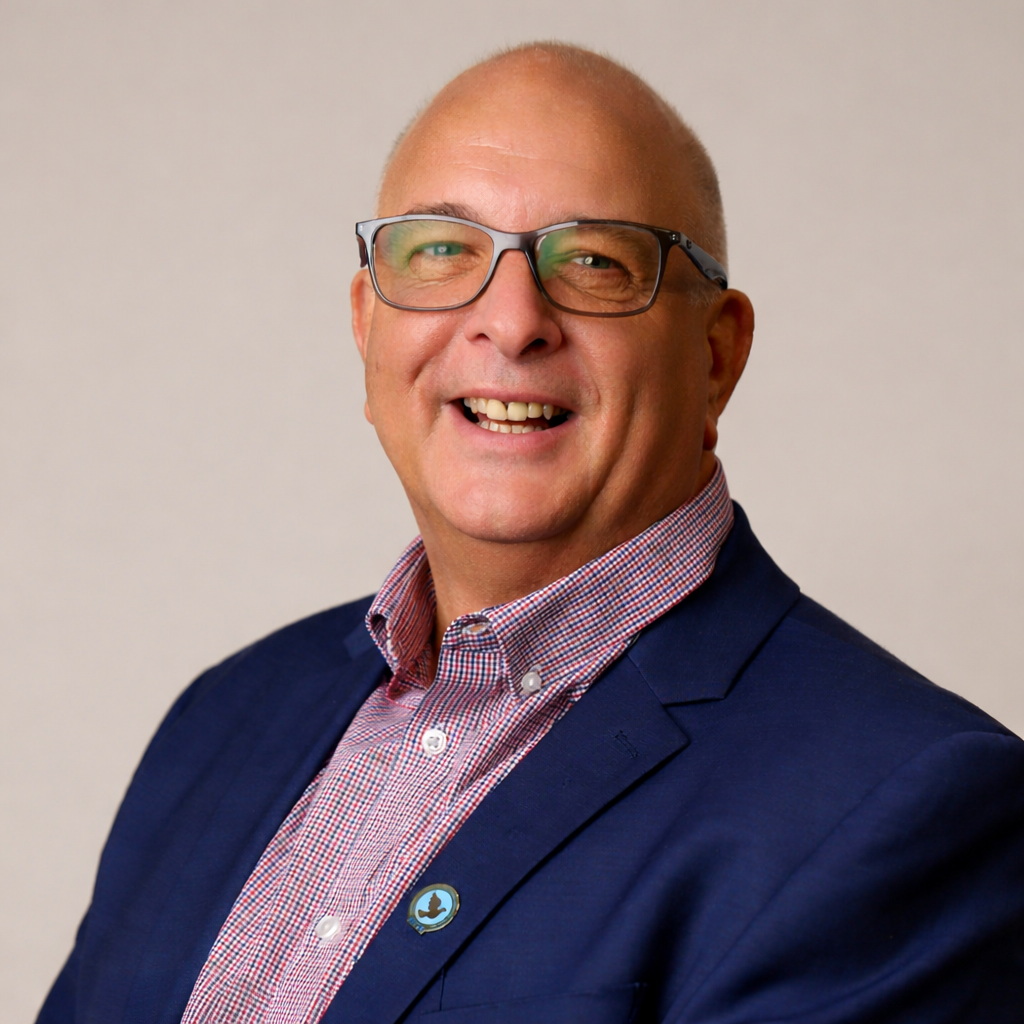
Andy has worked for Wigan Council for 43 years undertaking various roles across many services within the Environmental directorate. He has 14 years' experience in Cemeteries and Crematoria.

